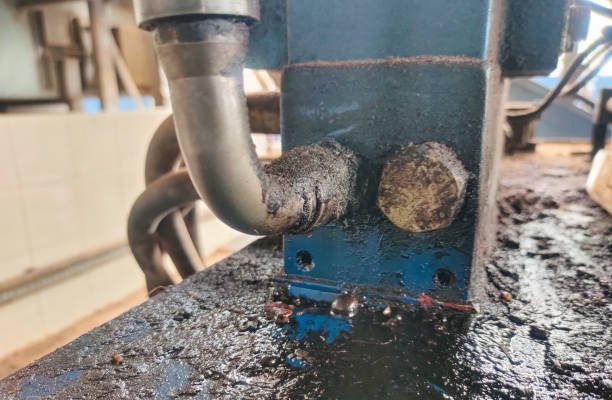

Introduction to Grease Fittings
Grease fittings, often known as Zerk fittings (named after Oscar U. Zerk, who patented the design), are small but vital components in lubrication systems. These fittings act as one-way valves that allow grease to flow into a bearing or mechanical joint while keeping dirt and debris out. They’re commonly used in:
- Automobiles – suspension systems, steering joints, and drive shafts.
- Agricultural equipment – tractors, harvesters, and plows.
- Construction machinery – excavators, loaders, and cranes.
- Industrial equipment – conveyor belts, pumps, and motors.
Without grease fittings, lubrication would be messy, inefficient, and prone to contamination. That’s why understanding their sizes, types, and applications is essential for both professionals and DIY enthusiasts.
Why Grease Fitting Size Matters
Choosing the right size grease fitting isn’t just about convenience—it directly affects the efficiency and lifespan of your equipment.
Impact on Lubrication Efficiency
Grease fittings are engineered to handle specific thread dimensions, angles, and flow capacities. If the wrong size is installed:
- The grease gun may not fit properly.
- Lubricant flow can be restricted, leading to under-lubrication.
- Extra pressure may be required, which can damage seals.
As a result, correctly sized fittings ensure that grease is delivered smoothly and reaches all critical areas of the machinery.
Preventing Equipment Failure
A poorly fitted or mismatched grease fitting can:
- Cause leakage, wasting lubricant.
- Allow dirt, dust, or water to enter the bearing.
- Strip threads, creating permanent damage to the housing.
Ultimately, the wrong fitting size can lead to premature wear, overheating, and costly breakdowns. A $2 fitting mistake can turn into a $2,000 repair bill—making proper selection a small but important investment.
Standard Grease Fitting Sizes Explained
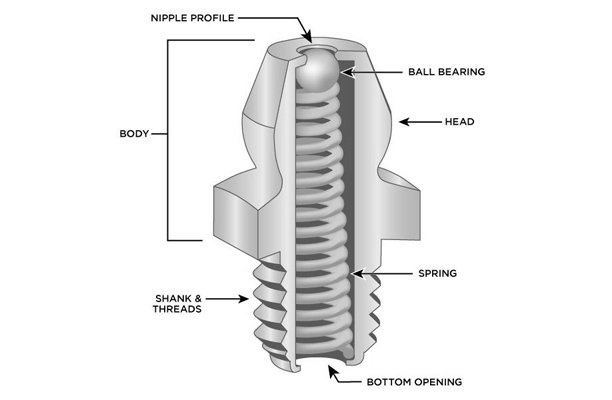
In general, Grease fitting sizes are categorized by thread type, diameter, and pitch. Among these,The three main standards worldwide are SAE (inch-based), Metric, and BSP (British Standard Pipe).
SAE (Society of Automotive Engineers) Sizes
SAE grease fittings are the most common in North America. They are measured in inches and include:
- 1/4″-28 taper thread (most common automotive size)
- 1/8″-27 NPT (National Pipe Thread)
- 5/16″-24 straight thread
These fittings are typically used in cars, trucks, heavy machinery, and agricultural equipment.
Metric Grease Fittings
Metric fittings are popular in Europe and Asia, following ISO standards. Common sizes include:
- M6 x 1.0
- M8 x 1.0
- M10 x 1.0
Metric fittings are found in imported equipment and global machinery brands.
BSP (British Standard Pipe) Fittings
In particular, BSP threads are common in UK-manufactured equipment and older machinery worldwide. Among these, the most common type is:
- 1/8″-28 BSPT (tapered thread)
Even though BSP fittings are less common today, they are still used in legacy equipment.
Types of Grease Fittings
Grease fittings come in different shapes, angles, and flow capacities to suit various applications. Therefore, choosing the right type can make lubrication easier and more effective. To help you decide, here are the most common types:
Straight Grease Fittings
- Design: Point straight out of the lubrication port.
- Best For: Easy-to-access areas where there’s no obstruction.
- Example Use: Wheel bearings, suspension joints.
45-Degree Grease Fittings
- Design: Angled at 45°, allowing better access.
- Best For: Equipment where straight access is difficult but not impossible.
- Example Use: Pivot points on tractors or loaders.
90-Degree Grease Fittings
- Design: Bent at a sharp 90°.
- Best For: Tight, hard-to-reach spots where grease guns cannot align directly.
- Example Use: Enclosed housings, compact industrial machines.
Flush-Type Grease Fittings
- Design: Nearly flat with the surface of the housing.
- Best For: High-clearance areas prone to damage, dirt, or debris.
- Example Use: Off-road machinery, agricultural tools.
Button-Head Grease Fittings
- Design: Large, flat head with a high grease capacity.
- Best For: Heavy-duty equipment requiring high-volume lubrication.
- Example Use: Construction machinery like bulldozers and excavators.
How to Identify Grease Fitting Sizes
When you’re replacing or maintaining a grease fitting, accurate identification is essential. Installing the wrong size can damage the threads or reduce lubrication efficiency.
Using Thread Gauges and Calipers
- Thread Gauge: Measures the pitch of the threads (threads per inch for SAE, or millimeters for metric).
- Caliper: Measures the outside diameter of the fitting threads.
By combining both measurements, you can precisely identify whether the fitting is SAE, Metric, or BSP.
Visual Inspection Tips
- Check for manufacturer markings—some fittings are stamped with size codes.
- Compare with a known fitting if you have spares.
- Look at thread angle—metric and SAE may look similar but differ slightly in pitch.
- BSP threads are easily mistaken for SAE but have a different thread angle (55° vs. 60°).
How to Choose the Right Grease Fitting Size
Selecting the right grease fitting size goes beyond just thread dimensions. Here are the main factors to consider:
1. Matching Threads Correctly
- Always match your equipment’s thread type (SAE, Metric, BSP).
- Never force mismatched threads—they may fit temporarily but will strip out over time.
2. Considering Operating Pressure
- Light-duty applications (bicycles, small motors) can use standard Zerks.
- Heavy-duty and high-pressure systems (bulldozers, industrial presses) require button-head fittings.
3. Environmental and Application Factors
- In dusty or muddy conditions, use flush-type fittings to reduce contamination.
- For tight spaces, opt for 90-degree fittings to make lubrication accessible.
- If frequent lubrication is required, choose high-capacity button-head fittings.
Common Mistakes When Choosing Grease Fittings
Even seasoned mechanics and technicians make errors when selecting or installing grease fittings. Avoiding these mistakes can save time, money, and equipment damage.
- Mixing SAE and Metric Threads
- SAE and Metric fittings may appear similar but have slightly different pitches. Forcing the wrong one can damage the port.
- Confusing BSP with SAE Threads
- BSP threads have a 55° angle, while SAE threads use 60°. They can “almost” fit but won’t hold pressure.
- Skipping Measurement
- Eyeballing the size often leads to errors. Always measure with calipers and thread gauges.
- Over-Greasing
- Pumping too much grease can damage seals, push out lubrication, or cause overheating.
- Wrong Angle Selection
- Using a straight fitting in a tight space can make lubrication nearly impossible. Always consider accessibility.
- Reusing Damaged Fittings
- Stripped, clogged, or bent fittings should never be reused. Replacement is cheap and prevents costly failures.
Step-by-Step Guide to Replacing a Grease Fitting
Replacing a grease fitting is a straightforward process if done carefully. Here’s a detailed guide:
- Gather Tools and Replacement Fittings
- Thread gauge, caliper, wrench, grease fitting extractor, and new fitting.
- Remove the Old Fitting
- Use a wrench or extractor tool to unscrew the damaged fitting.
- If it’s stuck, apply penetrating oil and wait a few minutes.
- Clean the Port
- Use a clean rag or compressed air to remove dirt, grease, and debris from the hole.
- Measure the Threads
- Confirm size with a caliper and pitch gauge before selecting the replacement.
- Install the New Fitting
- Screw it in by hand to avoid cross-threading.
- Tighten gently with a wrench—do not overtighten.
- Test with a Grease Gun
- Apply a few pumps of grease to confirm proper flow.
- If grease leaks around the threads, remove and reinstall correctly.
Tools Needed for Measuring and Installation
Having the right tools on hand makes identifying, installing, and maintaining grease fittings much easier. Essential tools include:
- Thread Pitch Gauge – Measures threads per inch (SAE) or thread pitch in millimeters (Metric).
- Digital Caliper – Accurately measures outside diameter of the fitting.
- Grease Fitting Extractor Tool – Removes clogged or damaged fittings quickly.
- Assorted Wrench Set – Needed for loosening and tightening fittings.
- Grease Gun – To test new fittings and deliver lubrication.
- Protective Caps – Keeps dirt out of unused fittings.
- Cleaning Tools – Rags, brushes, or compressed air for cleaning ports before installation.
Expert Tips for Maintaining Grease Fittings
Proper maintenance of grease fittings ensures consistent lubrication and prevents premature equipment wear. Here are some expert recommendations:
- Clean Before and After Lubrication
- Wipe the fitting with a rag before attaching the grease gun to prevent dirt from entering.
- After lubrication, wipe away excess grease to avoid attracting dust and debris.
- Use Protective Caps
- Small plastic or rubber caps protect fittings from moisture, mud, and contaminants.
- Particularly important for agricultural and off-road equipment.
- Check for Leaks or Damage Regularly
- Inspect fittings during routine maintenance.
- Replace fittings that are loose, stripped, clogged, or bent.
- Lubricate at Correct Intervals
- Follow manufacturer recommendations.
- Over-greasing can be just as harmful as under-greasing.
- Keep a Size Chart Handy
- A printed grease fitting chart in your workshop or toolbox makes identification faster.
Comparison Table of Grease Fitting Sizes
Here’s a quick reference table for standard grease fitting sizes and their applications:
| Standard | Common Sizes | Thread Type | Applications |
|---|---|---|---|
| SAE | 1/4″-28 taper, 1/8″-27 NPT, 5/16″-24 straight | Inch-based | Automotive, construction, heavy machinery |
| Metric | M6 x 1.0, M8 x 1.0, M10 x 1.0 | ISO metric threads | European and imported equipment |
| BSP | 1/8″-28 BSPT | British pipe threads | UK machinery, older global equipment |
| Special Types | Flush, button-head, 45° & 90° | Varies | Heavy-duty, high-dirt, or tight-space applications |
Conclusion
Picking the right grease fitting size may seem like a small detail, but it makes a big difference in how well your equipment runs. The correct fitting ensures grease flows smoothly, parts stay protected, and machines last longer.
To choose the right one:
- Measure the size with a caliper and thread gauge.
- Match the fitting type (SAE, Metric, or BSP) to your equipment.
- Select the angle and style (straight, 45°, 90°, flush, or button-head) based on accessibility and working conditions.
With the right grease fitting, you’ll save time, prevent breakdowns, and keep your machinery working at its best.
FAQs
Q1: How do I measure a grease fitting?
A: Use a thread pitch gauge for thread spacing and a caliper for outside diameter. Compare results to SAE, Metric, or BSP charts.
Q2: Can I mix SAE and Metric grease fittings?
A: No. They may look similar but will damage the threads if forced. Always match the correct thread standard.
Q3: What’s the most common grease fitting size in the U.S.?
A: The 1/4″-28 taper thread is the most widely used in North American vehicles and machinery.
Q4: How often should grease fittings be replaced?
A: Replace them if they are clogged, leaking, or physically damaged. Otherwise, they can last for years.
Q5: What grease fitting is best for dusty environments?
A: Flush-type fittings are designed for dusty or muddy conditions, as they sit nearly flat with the surface and reduce contamination risk.
Q6: Can I upgrade to button-head fittings?
A: Yes, if your application requires higher grease volumes and pressure resistance. These are excellent for heavy-duty construction equipment.