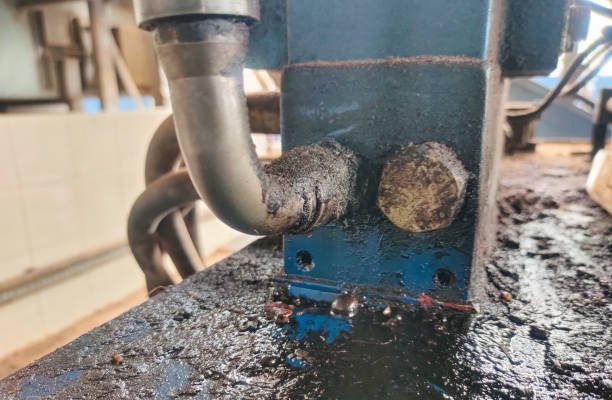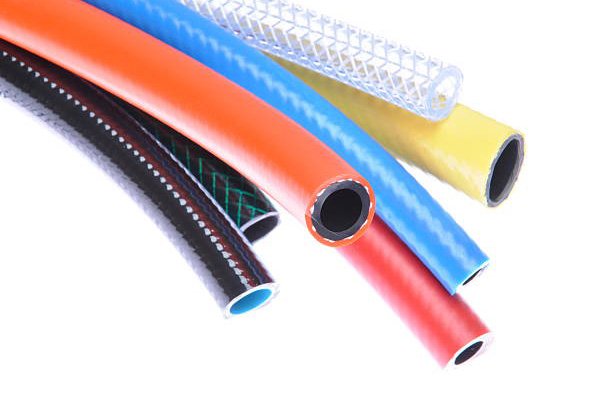

Introduction to Rusted Brake Line Fittings
Few automotive repair jobs are as frustrating as dealing with a rusted brake line fitting. These small connectors, critical for carrying brake fluid through your vehicle’s hydraulic system, can seize solid due to years of exposure to moisture, salt, and dirt.
When that happens, even a simple brake job can turn into a long, nerve-wracking struggle. Trying to loosen the fitting with the wrong tools or without preparation can strip the nut, crack the line, or even damage the brake system beyond repair.
This is why understanding the proper methods for removing rusted brake line fittings is so important. By following proven steps, you can save time, money, and frustration—while ensuring your vehicle remains safe on the road.
Why Brake Line Fittings Rust and Seize
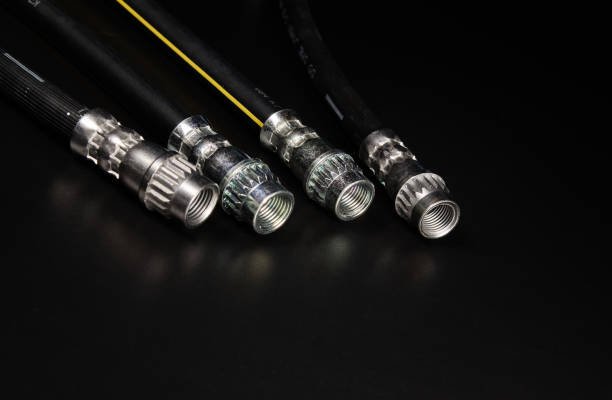
Brake line fittings are made of steel or other metals that are prone to corrosion over time. Since the brake system is located underneath the vehicle, it is constantly exposed to harsh environmental factors. Once rust takes hold, it spreads quickly, tightening the fitting and locking it in place.
Common Causes of Rust on Brake Lines
- Road Salt – In snowy climates, road salt is the number one cause of rusted brake fittings. Salt accelerates the corrosion process by allowing moisture to cling to the metal surface.
- Moisture Exposure – Driving in rain, puddles, or high-humidity regions speeds up oxidation.
- Dirt and Debris – Grime traps moisture against the brake line, encouraging rust.
- Age of Vehicle – Older vehicles often have brake systems that haven’t been treated with modern rust-resistant coatings.
Signs Your Brake Fittings Are Stuck
- You see heavy rust or flaking metal around the fitting.
- A wrench slips or rounds off the fitting edges.
- The fitting refuses to move even after applying pressure.
- Brake fluid leakage around the fitting indicates a compromised seal.
Knowing these causes and signs helps you prepare for the challenge and avoid unnecessary damage.
Tools You’ll Need to Remove Rusted Brake Line Fittings
Before diving into the removal process, having the right tools is half the battle. Attempting this job with the wrong equipment often results in stripped fittings or broken lines.
Essential Hand Tools
- Flare Nut Wrench (Line Wrench): Designed specifically for brake fittings, it grips more surfaces than an open wrench, reducing the chance of rounding the nut.
- Socket and Ratchet Set: For surrounding bolts and brackets that may need loosening.
- Adjustable Wrench: A backup tool but not ideal for primary use on rusted fittings.
Specialty Tools for Stubborn Fittings
- Penetrating Oil: Products like PB Blaster, Kroil, or Liquid Wrench penetrate the rust and loosen stuck threads.
- Propane or MAP Gas Torch: Heat expands the metal, breaking the rust bond.
- Vise-Grip Pliers: Useful if the fitting has already been rounded.
- Tubing Cutter & Flaring Tool: Needed if you have to cut and replace the line.
Safety Equipment Checklist
- Gloves: Protect hands from sharp edges and brake fluid.
- Safety Glasses: Prevent brake fluid or rust particles from reaching your eyes.
- Jack Stands & Wheel Chocks: Secure your vehicle safely before working underneath.
- Fire Extinguisher: Essential if you plan to apply heat.
Having these tools ready will make the process safer and smoother.
Step-by-Step Guide: How to Remove Rusted Brake Line Fitting
Removing a rusted brake line fitting requires patience, preparation, and the right sequence of steps. If you rush the job or apply too much force too quickly, you risk rounding off the fitting or snapping the brake line—both of which turn a tough job into an even bigger headache.
Here’s a detailed breakdown of the process.
Step 1: Preparing Your Workspace
Before you touch the brake lines, make sure your vehicle and tools are ready.
- Park Safely: Choose a flat, stable surface and set the parking brake.
- Lift the Vehicle: Use a hydraulic jack to raise the vehicle, then place it securely on jack stands. Never rely on the jack alone.
- Secure the Wheels: Place wheel chocks behind the tires that remain on the ground to prevent rolling.
- Locate the Fitting: Trace the brake line to the rusted fitting. Typically, fittings are found near the master cylinder, proportioning valve, or caliper.
- Clean the Area: Use a wire brush to remove loose rust and debris. This not only improves visibility but also helps the penetrating oil work better.
Step 2: Applying Penetrating Oil
Penetrating oil is your best friend when it comes to loosening rusted fittings. It seeps into microscopic gaps and weakens the bond created by corrosion.
- Choose a Quality Oil: PB Blaster, Kroil, or Liquid Wrench are top choices. WD-40 can work in light cases, but it’s not as strong.
- Spray Generously: Apply penetrating oil directly to the fitting threads. Make sure it reaches the joint between the nut and line.
- Let it Soak: Allow at least 10–15 minutes for the oil to work. For severely rusted fittings, apply multiple times over several hours—or even let it sit overnight.
- Reapply if Needed: If the fitting resists after your first attempt, spray more oil and give it more time. Patience here saves headaches later.
Step 3: Using the Correct Wrench
Once the oil has done its job, it’s time to attempt loosening the fitting. The tool you choose makes a huge difference.
- Select a Flare Nut Wrench: Unlike an open-ended wrench, a flare nut wrench grips five sides of the nut, giving you more torque and less risk of rounding.
- Fit the Wrench Securely: Make sure the wrench fits snugly on the fitting. A loose grip will strip the nut.
- Apply Steady Pressure: Turn the wrench slowly and firmly. Avoid sudden jerks that could damage the line.
- Alternate Tighten-Loosen: Sometimes slightly tightening the fitting first can break the rust bond before loosening.
- Check Progress: If it begins to turn, continue slowly until it’s free. If it doesn’t budge, stop and move on to the next method—heat—before forcing it.
Step 4: Applying Heat Safely
When penetrating oil and proper wrenches aren’t enough, controlled heat can be the deciding factor in loosening a rusted brake line fitting. Heat causes the metal to expand, breaking the bond that rust has created.
- Choose the Right Torch: A small propane or MAP gas torch works well for this task. MAP gas burns hotter, but propane is safer for beginners.
- Clear the Area: Remove any flammable items, rags, or plastic components nearby. Brake fluid is highly flammable, so double-check for leaks.
- Apply Heat Gradually: Hold the flame on the fitting for 15–20 seconds. Focus on the nut, not the line, to avoid weakening the tubing.
- Let it Cool Slightly: Sometimes, heating followed by rapid cooling (using penetrating oil after heating) shocks the rust and helps it break loose.
- Try the Wrench Again: Once heated, use a flare nut wrench and attempt to loosen the fitting while it’s still warm.
Step 5: Last-Resort Methods (Cutting or Replacing)
If oil and heat fail, you may need to accept that the fitting is beyond saving. In these cases, replacement is often the safest and most practical choice.
- Cutting the Brake Line: Use a tubing cutter to make a clean cut in the brake line, removing the seized fitting entirely.
- Flaring the Line: After cutting, you’ll need to re-flare the brake line with a double flaring tool so it can accept a new fitting.
- Installing a New Fitting: Always use high-quality replacement fittings designed for your specific brake system.
- Replacing the Line: If the brake line itself shows heavy rust or pitting, don’t just replace the fitting—replace the entire line. A compromised line can fail suddenly, leading to brake loss.
- Professional Help: If you’re uncomfortable with cutting and flaring lines, consider seeking a mechanic’s help. Improper flaring can cause leaks.
Safety Precautions While Working on Brake Lines
Your brake system is not an area where shortcuts are acceptable. Safety should always be your first priority.
Why Brake Fluid is Dangerous
- Corrosive: Brake fluid eats through paint and can irritate skin.
- Flammable: Although it doesn’t ignite easily, when exposed to heat, it can catch fire.
- Toxic: Avoid breathing fumes or letting it come into contact with your eyes.
Preventing Fire Hazards When Using Heat
- Keep a fire extinguisher within reach.
- Work in a well-ventilated area away from fuel sources.
- Use short, controlled bursts of heat—never hold the flame for too long.
- Let the fitting cool naturally before applying more penetrating oil (never spray directly on hot metal).
By following these safety steps, you not only protect yourself but also reduce the risk of damaging your vehicle during the repair.
Preventing Rust on Brake Line Fittings in the Future
Removing a rusted brake line fitting is a tough job—but preventing it from happening again is much easier. By taking a few proactive steps, you can extend the lifespan of your brake system and avoid frustrating repairs down the road.
Regular Maintenance Tips
- Wash the Undercarriage: Especially after winter driving, use a hose or pressure washer to rinse away road salt and dirt.
- Inspect Brake Lines Annually: Look for rust, pitting, or damp spots that suggest leaks. Early detection prevents costly repairs.
- Schedule Brake Service: During regular maintenance, ask your mechanic to check the fittings for early signs of corrosion.
Protective Coatings and Sprays
- Rust Inhibitor Sprays: Products like Fluid Film or CRC Heavy Duty Corrosion Inhibitor provide a protective layer against moisture.
- Rubberized Undercoating: Sprayed along the undercarriage, this creates a barrier against salt and water.
- Anti-Seize Compound: Applying a small amount on new fittings can make future removal much easier.
Expert Mechanic Advice on Brake Line Repairs
Professional mechanics often stress one key point: don’t gamble with brake safety. Rusted brake lines can fail without warning, leading to brake loss and dangerous driving conditions.
When to Stop Trying and Replace
- If the fitting is completely rounded off.
- If the brake line shows deep rust or flaking along its length.
- If the fitting cracks or leaks fluid after removal attempts.
In these cases, replacing the fitting—or even the entire line—is the safest course of action.
Mechanic-Approved Practices
- Always use a flare nut wrench, not pliers or an open wrench.
- Avoid excessive force—forcing a stuck fitting often causes more damage.
- Replace brake fluid if it has become contaminated with rust or moisture.
- Double-check all new connections for leaks after installation.
Conclusion
Learning how to remove rusted brake line fitting takes patience, the right tools, and safe techniques. From soaking with penetrating oil to applying controlled heat, each method increases your chances of freeing a stuck fitting without damaging the brake system. But remember: if the rust is severe or the line is compromised, replacement is always the safest choice. With proper maintenance and preventive care, you can reduce future rust issues and keep your brake system reliable for years to come.
FAQs
Here are some of the most common questions drivers ask when dealing with this frustrating issue:
Q1: Can I use WD-40 to loosen a rusted brake line fitting?
Yes, but penetrating oils like PB Blaster or Kroil are much more effective at breaking through rust.
Q2: Is it safe to use heat on brake line fittings?
Yes, but only with extreme caution. Apply heat in short bursts and keep a fire extinguisher nearby.
Q3: What if the fitting is completely rounded off?
You can try locking pliers (vise grips) for extra grip, but if that fails, cutting and replacing the line is usually the only option.
Q4: How long should I let penetrating oil sit?
Allow at least 10–15 minutes, but in severe cases, let it soak overnight for the best results.
Q5: Should I replace rusted brake lines or just the fitting?
If the rust is minor and limited to the fitting, replacement may not be necessary. But if the line itself is corroded, replacing the entire line is the safest choice.
Q6: Can I prevent brake line rust permanently?
Not permanently, but with rust inhibitors, coatings, and regular cleaning, you can significantly extend the life of your brake lines.