Introduction to Hydraulic Fittings
Hydraulic fittings are essential components in hydraulic systems, responsible for connecting hoses, pipes, and tubes so hydraulic fluid can flow safely under pressure. Even though they are small parts, they directly affect system performance, safety, and reliability. A single incorrect fitting can cause leaks, pressure loss, or complete system failure.
Understanding How to Select Hydraulic Fittings in Simple Steps? is crucial for anyone working with hydraulic machinery—whether in construction, agriculture, manufacturing, or industrial maintenance. Many system failures occur not because of major equipment issues, but because the wrong fitting type or size was used.
Hydraulic fittings must handle extreme pressure, temperature changes, vibration, and environmental exposure. That’s why selection is never a guessing game. Each fitting must match the system’s pressure rating, thread type, material, and hose size. When chosen correctly, hydraulic fittings ensure smooth fluid flow, minimize downtime, and extend the life of the entire hydraulic system.
This guide breaks down the selection process into simple, practical steps that anyone can follow—no advanced engineering background required.
Why Correct Hydraulic Fitting Selection Is So Important
Choosing the right hydraulic fitting is not just a technical decision—it’s a safety and cost decision. Incorrect fittings can lead to serious operational issues and unexpected expenses.
Key Reasons Proper Selection Matters
1. Prevents Hydraulic Leaks
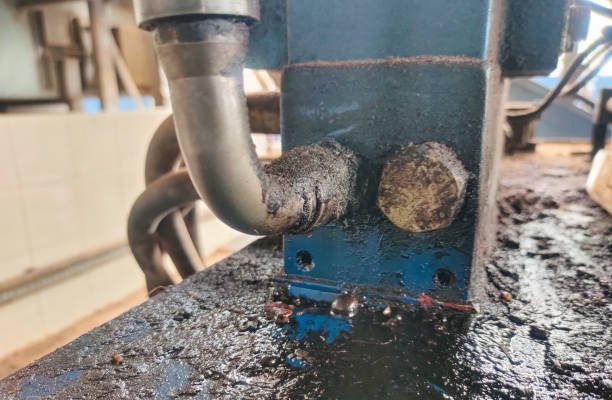
Leaks are one of the most common hydraulic problems. Incorrect thread types, poor sealing, or mismatched sizes often cause fluid leakage, leading to pressure loss and messy work environments.
2. Ensures System Safety
Hydraulic systems operate under extremely high pressure. A poorly rated fitting can burst, causing serious injury, equipment damage, or environmental hazards.
3. Improves System Efficiency
Correctly sized fittings maintain smooth fluid flow, reducing pressure drops and improving overall system performance.
4. Reduces Maintenance Costs
Using the right fitting minimizes wear on hoses and seals, reducing the need for frequent repairs and replacements.
5. Extends Equipment Lifespan
Hydraulic systems with properly matched fittings experience less stress, vibration damage, and fatigue over time.
In short, learning How to Select Hydraulic Fittings in Simple Steps? helps avoid downtime, protects workers, and saves money in the long run.
Understand Your Hydraulic System Requirements
Before selecting any hydraulic fitting, you must fully understand your hydraulic system. This step lays the foundation for every decision that follows.
A. Operating Pressure
Always determine:
- Maximum working pressure
- Peak or surge pressure
- Safety margin requirements
Hydraulic fittings must be rated above the system’s maximum pressure. Pressure spikes can exceed normal levels, so selecting a fitting with a higher safety rating is essential.
B. Flow Rate Requirements
Flow rate affects fitting size. If a fitting is too small:
- Fluid velocity increases
- Heat builds up
- Pressure loss occurs
Correct flow capacity ensures smooth and efficient hydraulic operation.
C. Temperature Range
Hydraulic systems may operate in:
- High-temperature industrial environments
- Cold outdoor conditions
- Rapid temperature fluctuations
Temperature affects both fitting materials and seals. High temperatures can weaken seals, while cold conditions may cause brittleness.
D. Type of Hydraulic Fluid
Different fluids react differently with fitting materials and seals. Common fluids include:
- Mineral-based oils
- Synthetic fluids
- Water-glycol solutions
Always ensure material and seal compatibility with the hydraulic fluid used.
Understanding these system requirements makes the rest of the selection process simple and accurate.
Choosing the Correct Hydraulic Fitting Type
Selecting the correct type of hydraulic fitting is one of the most important decisions in a hydraulic system. Each fitting type is designed for specific pressure levels, movement conditions, and maintenance needs. Using the wrong type may lead to frequent leaks, vibration damage, or reduced system life.
Threaded Hydraulic Fittings
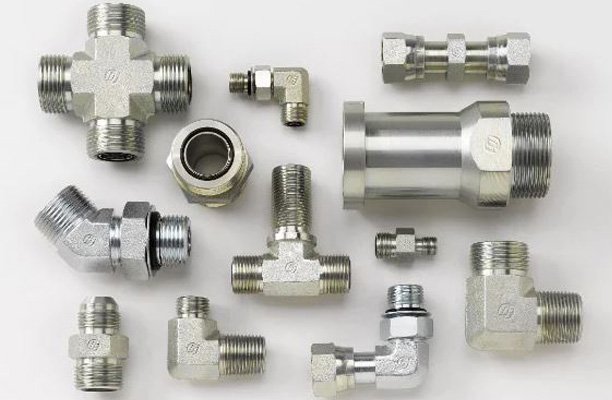
Threaded fittings are the most commonly used fittings in hydraulic systems. They connect by screwing into ports, hoses, or tubes and are widely used because they are easy to install and replace.
Key advantages include:
- Wide availability
- Cost-effective solution
- Suitable for low to medium pressure systems
However, threaded fittings must match the correct thread standard. Even small differences in thread angle or pitch can cause leakage.
Flanged Hydraulic Fittings
Flanged fittings are designed for high-pressure hydraulic applications. They use bolts and O-ring seals to create a strong and vibration-resistant connection.
Best used when:
- Operating pressure is very high
- Systems experience constant vibration
- Large-diameter hoses are required
These fittings are common in heavy machinery, industrial presses, and construction equipment.
Quick-Disconnect Hydraulic Fittings
Quick-disconnect fittings allow fast connection and disconnection without tools. They are ideal for systems requiring frequent maintenance or hose changes.
Benefits include:
- Reduced downtime
- Minimal fluid loss
- Improved operator safety
These fittings are commonly used in mobile equipment and test systems.
Understanding Hydraulic Thread Standards
Thread standards are one of the most overlooked aspects of hydraulic fitting selection. A fitting may look correct but still fail if the thread type does not match exactly.
Common hydraulic thread standards include:
- NPT (National Pipe Thread)
- BSPP and BSPT (British Standard Pipe)
- JIC (37-degree flare)
- Metric threads
Each standard differs in thread angle, sealing method, and diameter. Mixing thread standards often results in:
- Cross-threading
- Poor sealing
- Gradual loosening
Never force a fitting to “make it work.” Always verify thread type using thread gauges or manufacturer documentation.
Selecting the Right Hydraulic Fitting Material
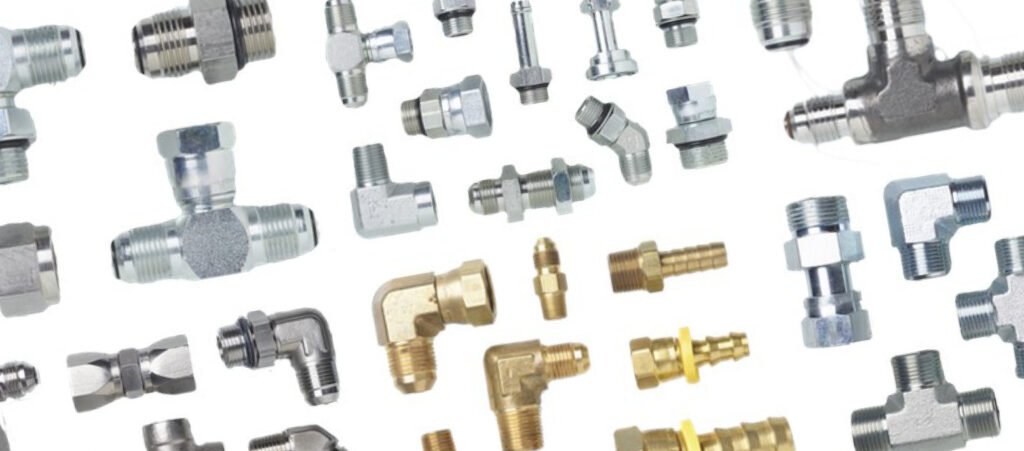
Material selection directly impacts durability, corrosion resistance, and overall system performance.
Carbon Steel Hydraulic Fittings
Carbon steel fittings are the most widely used option. They offer excellent strength and are suitable for high-pressure applications.
Best for:
- Industrial machinery
- Construction equipment
- High-pressure hydraulic systems
Stainless Steel Hydraulic Fittings
Stainless steel fittings provide superior corrosion resistance and are ideal for harsh environments.
Common applications include:
- Marine environments
- Chemical processing
- Food and pharmaceutical industries
Although more expensive, stainless steel fittings offer long-term reliability.
Brass Hydraulic Fittings
Brass fittings are generally used in low-pressure hydraulic or pneumatic systems.
Advantages include:
- Good corrosion resistance
- Easy installation
- Lower cost
They are not recommended for high-pressure hydraulic applications.
Ensuring Proper Pressure Rating Compatibility
Pressure rating is one of the most critical factors when learning How to Select Hydraulic Fittings in Simple Steps? Every hydraulic fitting must be capable of handling not only normal operating pressure but also sudden pressure spikes that occur during system startup, shutdown, or load changes.
Hydraulic systems often experience pressure surges that are much higher than their average working pressure. If a fitting is selected based only on nominal pressure, it may fail unexpectedly.
Key Pressure Considerations
- Maximum operating pressure must always be lower than the fitting’s rated pressure
- Pressure spikes can exceed normal pressure by 25–50%
- System safety factor should always be applied
A good rule of thumb is to choose fittings rated at least 20–30% higher than the system’s maximum pressure. The lowest-rated component in the system determines the overall safety level.
Never mix fittings with different pressure ratings in the same hydraulic line. Consistency is essential for reliability and safety.
Choosing the Correct Seal Type for Leak Prevention
Seals play a vital role in preventing leaks and maintaining pressure integrity. Even a perfectly sized fitting will fail if the seal type is incorrect.
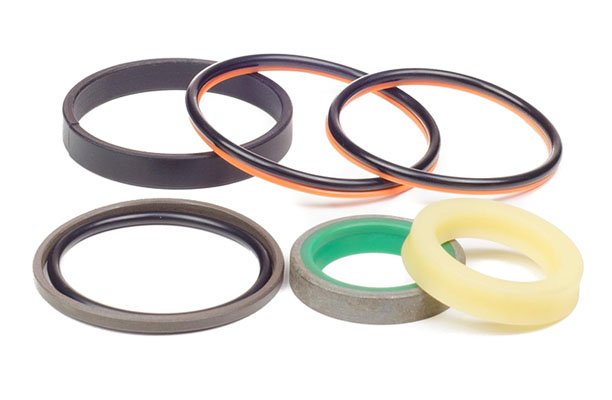
O-Ring Face Seals
O-ring face seals are among the most reliable sealing options. They use an elastomer O-ring to create a tight seal between mating surfaces.
Advantages include:
- Excellent leak resistance
- High-pressure capability
- Strong vibration resistance
These seals are commonly used in modern hydraulic systems.
Metal-to-Metal Seals
Metal-to-metal seals rely on precise machining and surface contact.
Best for:
- High-temperature environments
- Applications where elastomer seals may degrade
However, proper torque is critical. Overtightening can damage sealing surfaces.
Soft Seals (Elastomer-Based)
Soft seals are flexible and easy to install but may degrade faster under extreme heat or chemical exposure.
Always ensure seal material compatibility with hydraulic fluid and operating temperature.
Evaluating Environmental and Operating Conditions
Environmental factors have a major impact on fitting performance and lifespan. Ignoring these conditions is a common cause of premature failure.
Corrosion and Moisture Exposure
In humid or outdoor environments, fittings may be exposed to:
- Rain and moisture
- Saltwater spray
- Chemical vapors
Stainless steel or coated steel fittings provide better corrosion resistance in these conditions.
Vibration and Movement
Mobile equipment and industrial machinery often generate constant vibration. Vibration can loosen connections over time if the wrong fitting type is used.
Best practices include:
- Using flanged or O-ring face seal fittings
- Avoiding tapered threads in high-vibration systems
- Supporting hoses to reduce movement stress
Temperature Extremes
Extreme heat or cold affects both fitting material and seal elasticity. Always select fittings designed to operate safely within your system’s temperature range.
Matching Hydraulic Fittings with Hose Size and Configuration
Correct sizing is essential when selecting hydraulic fittings. Even if the fitting type, material, and pressure rating are correct, improper size matching can restrict flow, increase heat, and shorten system life.
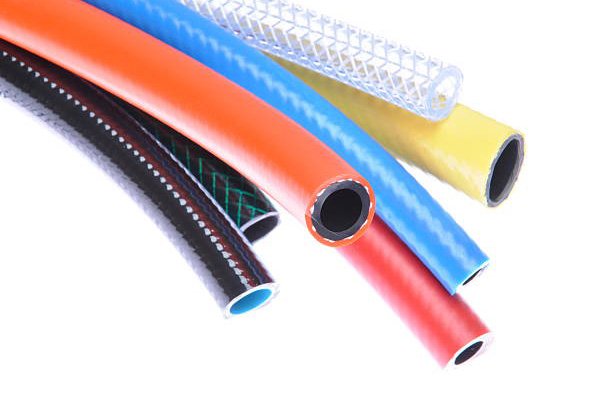
Hydraulic fittings must match the inside diameter, outside diameter, and connection style of the hose. A mismatch can cause turbulence, pressure drop, or fitting blow-off.
Key Size Factors to Verify
- Hose inner diameter (ID)
- Hose outer diameter (OD)
- Fitting angle (straight, 45°, 90°)
- Bend radius clearance
Using the correct size ensures smooth fluid flow and reduces stress on hoses and fittings. Always consult hose manufacturer specifications when selecting compatible fittings.
Following Industry Standards and Certifications
Industry standards exist to ensure hydraulic fittings meet strict safety and performance requirements. Using standardized fittings helps maintain consistency, reliability, and interchangeability.
Common standards include:
- ISO (International Organization for Standardization)
- SAE (Society of Automotive Engineers)
- DIN (Deutsches Institut für Normung)
Certified fittings are tested for pressure, leakage, vibration, and material quality. Always choose fittings that clearly state compliance with recognized standards.
Using certified components is a key part of learning How to Select Hydraulic Fittings in Simple Steps? correctly and safely.
Common Mistakes to Avoid When Selecting Hydraulic Fittings
Even experienced technicians make mistakes when selecting hydraulic fittings. Being aware of these errors helps prevent costly failures.
Frequent Selection Errors
- Mixing different thread standards
- Ignoring pressure spikes
- Choosing material without considering corrosion
- Overtightening fittings
- Reusing worn or damaged fittings
Another common mistake is assuming fittings that “almost fit” are acceptable. Hydraulic systems demand precision—close enough is never good enough.
Avoiding these mistakes improves system reliability and reduces downtime.
Proper Installation Practices for Hydraulic Fittings
Even the best hydraulic fitting can fail if it is installed incorrectly. Proper installation is just as important as correct selection when learning How to Select Hydraulic Fittings in Simple Steps?
Before installation, always ensure that fittings, hoses, and ports are clean. Dirt or metal particles trapped in the connection can damage seals and contaminate hydraulic fluid.
Best Installation Practices
- Inspect threads and sealing surfaces for damage
- Lubricate O-rings lightly with compatible hydraulic oil
- Align fittings carefully before tightening
- Tighten fittings to manufacturer-recommended torque values
Overtightening is a common problem. It can deform threads, crush seals, and weaken the fitting. Undertightening, on the other hand, can cause leaks and loosening under vibration. Using a torque wrench ensures consistent and reliable installation.
Maintenance Tips for Long-Lasting Hydraulic Fittings
Regular maintenance significantly extends the life of hydraulic fittings and helps prevent unexpected system failures.
Routine inspections should be part of every hydraulic maintenance schedule. Early detection of wear or leaks can save time and money.
Effective Maintenance Practices
- Check for leaks around fittings during operation
- Inspect for corrosion, cracks, or deformation
- Replace damaged seals immediately
- Avoid reusing fittings that show signs of wear
- Keep fittings protected from dirt and moisture
Proactive maintenance not only improves system reliability but also enhances safety in high-pressure hydraulic environments.
Conclusion
Understanding How to Select Hydraulic Fittings in Simple Steps? helps prevent leaks, improve system safety, and extend equipment life. By matching the correct fitting type, material, pressure rating, seal, and hose size to your system requirements, you can avoid costly downtime and maintenance issues. Careful selection, proper installation, and regular inspection ensure reliable hydraulic performance and long-term efficiency.
FAQs
What is the most important factor when selecting hydraulic fittings?
Pressure rating is the most critical factor. A fitting must always be rated above the system’s maximum pressure.
Can different hydraulic fitting materials be mixed in one system?
Yes, but only if they are compatible with pressure, fluid, and environmental conditions. Mixing materials without evaluation may cause corrosion issues.
Why do hydraulic fittings leak even when they seem tight?
Leaks often occur due to incorrect thread type, damaged seals, or overtightening that distorts sealing surfaces.
Are tapered threads safe for high-pressure hydraulic systems?
Tapered threads can be used, but O-ring face seal or flanged fittings are generally safer and more reliable for high-pressure applications.
Should old hydraulic fittings be reused?
Reusing fittings is not recommended. Worn threads or seals increase the risk of leaks and sudden failure.
How often should hydraulic fittings be inspected?
Fittings should be visually inspected during regular maintenance and checked immediately if pressure loss or leakage is detected.