
Understanding Excavator Hydraulic Fittings and Their Role
Excavator hydraulic fittings are small components, but they play a massive role in the overall performance and safety of a hydraulic system. These fittings connect hoses, pipes, valves, pumps, and cylinders, allowing hydraulic fluid to flow smoothly under extremely high pressure. Without properly functioning fittings, the entire hydraulic system becomes unreliable.
Hydraulic fittings are designed to:
- Seal hydraulic fluid under pressures often exceeding thousands of PSI
- Maintain consistent flow and system efficiency
- Prevent leaks and air intrusion
- Withstand vibration, temperature changes, and mechanical stress
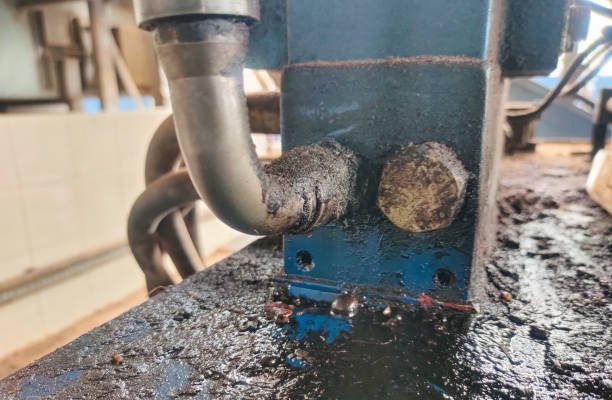
Most excavator hydraulic fittings are manufactured from carbon steel, alloy steel, stainless steel, or brass. While these metals are strong and durable, they are not immune to environmental damage. When exposed to moisture, oxygen, and contaminants, metal surfaces begin to oxidize, which leads to rust.
The challenge is that excavators rarely operate in clean, dry conditions. They are commonly used in construction sites, mining areas, demolition zones, riverbanks, and coastal regions. These harsh environments accelerate wear and corrosion, especially on exposed hydraulic fittings.
This is why understanding Why Excavator Hydraulic Fittings Rust & How to Stop It is not just a maintenance concern—it’s a critical operational issue. Even a single corroded fitting can cause pressure loss, oil leakage, contamination, or sudden system failure.
What Is Rust and Why Does It Form on Hydraulic Fittings?
Rust is a form of corrosion that occurs when iron or steel reacts with oxygen and moisture. This chemical reaction creates iron oxide, which weakens the metal surface over time. Hydraulic fittings, particularly those made from carbon steel, are highly susceptible to this process.
Rust formation typically follows three stages:
- Initial oxidation – Moisture settles on the metal surface
- Surface corrosion – Oxygen reacts with exposed metal
- Structural degradation – Metal strength and sealing ability are compromised
Hydraulic fittings are especially vulnerable because they experience constant pressure changes, vibration, and temperature fluctuations. These conditions cause microscopic cracks in protective coatings, allowing moisture to penetrate beneath the surface.
Another important factor is that rust can form both externally and internally:
- External rust develops from environmental exposure such as rain, humidity, or mud
- Internal rust forms when hydraulic fluid is contaminated with water or air
Internal rust is particularly dangerous because it often goes unnoticed until major damage occurs. Rust particles circulate through the hydraulic system, damaging pumps, valves, seals, and cylinders.
Understanding the science behind rust helps operators realize that corrosion is not a cosmetic issue—it’s a progressive failure mechanism that directly affects excavator reliability and safety.
Primary Environmental Causes of Rust on Excavator Hydraulic Fittings
One of the most important steps in learning Why Excavator Hydraulic Fittings Rust & How to Stop It is identifying environmental factors that accelerate corrosion. These factors are often unavoidable, but they can be controlled with the right preventive strategies.
Moisture and Water Exposure
Excavators regularly work in wet conditions such as rain, muddy ground, flooded sites, and water crossings. Water clings to hydraulic fittings, especially around threads and joints, creating ideal conditions for rust formation.
High Humidity and Condensation
In humid climates, moisture is constantly present in the air. When temperatures drop overnight, condensation forms on metal surfaces. This thin film of water is enough to trigger corrosion, even if the excavator appears dry.
Salt and Marine Environments
Excavators used near oceans, ports, or coastal construction sites face severe corrosion risks. Salt accelerates oxidation by breaking down protective coatings faster than fresh water.
Chemical Exposure
Job sites involving fertilizers, industrial chemicals, or road de-icing salts expose hydraulic fittings to corrosive substances that attack metal surfaces aggressively.
Dirt, Mud, and Debris
Mud and debris trap moisture against fittings, preventing evaporation. Over time, this trapped moisture eats away at metal surfaces and protective coatings.
Environmental exposure alone can significantly shorten the lifespan of hydraulic fittings if no preventive action is taken.
Mechanical and Operational Causes of Rust in Hydraulic Fittings
Beyond environmental exposure, many cases of corrosion are directly linked to how the excavator is operated and maintained. Mechanical stress and improper handling can quietly accelerate rust formation on hydraulic fittings.
One major cause is damaged protective coatings. Hydraulic fittings are often zinc-plated or treated with corrosion-resistant finishes. During installation, overtightening, cross-threading, or using improper tools can scratch or chip these coatings. Once bare metal is exposed, moisture quickly reacts with the surface, starting the rusting process.
Vibration and constant movement also play a role. Excavators generate continuous vibration during digging, lifting, and traveling. Over time, this vibration loosens fittings slightly, allowing micro-gaps where moisture and contaminants can enter. These tiny gaps are perfect breeding grounds for corrosion.
Another overlooked factor is poor routing of hydraulic hoses. When hoses rub against metal surfaces or fittings, friction wears away protective layers. This mechanical wear exposes fresh metal and makes fittings more vulnerable to rust.
Operational habits also matter. Machines that are frequently washed but not properly dried often develop rust faster. Water trapped around fittings, threads, and couplings may look harmless, but repeated exposure accelerates corrosion significantly.
Finally, using incorrect replacement fittings can worsen the problem. Low-quality or mismatched fittings may lack proper coatings or corrosion resistance, making them fail much sooner than OEM or high-grade alternatives.
The Hidden Dangers of Rusted Excavator Hydraulic Fittings
Rust on hydraulic fittings is often underestimated because it may start as a small discoloration. However, the consequences can be severe if the issue is ignored.
One of the biggest dangers is loss of sealing integrity. Rust damages the smooth surfaces required for proper sealing. As corrosion spreads, fittings lose their ability to hold pressure, leading to hydraulic oil leaks.
Leaks are more than just messy—they cause pressure loss. Even minor leaks reduce hydraulic efficiency, forcing pumps to work harder. This increases fuel consumption, heat generation, and wear on expensive components.
Another major risk is system contamination. Rust particles can break off and circulate through the hydraulic fluid. These abrasive particles damage pumps, valves, seals, and cylinders from the inside. Once contamination spreads, repair costs rise dramatically.
Rust also weakens the structural strength of fittings. Under high pressure, a corroded fitting may crack or burst without warning. Sudden fitting failure can cause:
- Rapid hydraulic oil discharge
- Equipment downtime
- Environmental contamination
- Serious safety hazards for operators and nearby workers
In extreme cases, rusted fittings have been known to cause complete hydraulic system shutdowns, bringing operations to a halt and resulting in costly delays.
How Rust Leads to Hydraulic Leaks, Pressure Loss, and System Failure
To fully understand Why Excavator Hydraulic Fittings Rust & How to Stop It, it’s important to see how corrosion directly impacts system performance.
Rust creates uneven, pitted surfaces on fittings. Hydraulic systems rely on precision tolerances, and even small surface imperfections can allow oil to escape. Once leakage begins, pressure drops across the system.
As pressure drops, the hydraulic pump compensates by working harder. This extra strain causes:
- Increased operating temperatures
- Faster oil degradation
- Accelerated wear on seals and hoses
Over time, leaks worsen, and fittings may begin to deform. Threads weakened by rust lose their holding strength, making fittings more likely to loosen under vibration.
Internally, rust contamination reduces the lubricating properties of hydraulic fluid. Metal-to-metal contact increases inside valves and pumps, leading to scoring, overheating, and eventual failure.
What makes this especially dangerous is that rust damage is often progressive and hidden. Operators may not notice a problem until performance drops, noises increase, or a fitting fails catastrophically.
At that point, repairs are no longer simple. What could have been a low-cost fitting replacement turns into:
- Hydraulic oil replacement
- Pump or valve repairs
- System flushing
- Extended downtime
This is why early prevention and routine inspection are far more cost-effective than reactive repairs.
Advanced Prevention Methods Professionals Use to Stop Hydraulic Fitting Rust
Experienced equipment managers know that preventing corrosion is far easier—and far cheaper—than repairing rust damage. One of the most effective professional strategies is controlling moisture at every possible entry point. This starts with sealing systems properly during maintenance. Whenever a hose or fitting is disconnected, professionals immediately cap or plug open ports to prevent humid air or water from entering the system.
Another widely used method is scheduled corrosion protection treatments. Instead of waiting for visible rust, maintenance teams apply anti-corrosion sprays, wax-based protectants, or light oil films on exposed fittings at regular intervals. These products form a barrier that blocks oxygen and moisture from reaching the metal surface.
Professionals also pay close attention to wash-down procedures. High-pressure washing can force water into threads and seals if done carelessly. Best practice is to:
- Avoid spraying directly at fittings and couplings
- Use moderate water pressure
- Dry fittings thoroughly after cleaning
- Reapply corrosion inhibitors once dry
In high-risk environments such as coastal or chemical-heavy job sites, professionals often implement environment-specific maintenance plans. This means more frequent inspections, shorter service intervals, and the use of higher-grade materials designed specifically for corrosive conditions.
Most importantly, professionals train operators to recognize early warning signs. Slight discoloration, surface roughness, or moisture buildup around fittings is addressed immediately before rust has a chance to spread.
Best Materials and Coatings for Rust-Resistant Hydraulic Fittings
Material selection plays a major role in determining how quickly hydraulic fittings corrode. Choosing the right material is one of the smartest long-term solutions when addressing Why Excavator Hydraulic Fittings Rust & How to Stop It.
Stainless steel fittings are widely considered the best option for corrosion resistance. They perform exceptionally well in wet, humid, and marine environments. While they cost more upfront, their extended service life often makes them more economical over time.
Zinc-nickel plated steel fittings are another excellent choice. Compared to standard zinc plating, zinc-nickel coatings provide superior resistance to salt spray and harsh weather conditions. These fittings are commonly used in heavy construction and road maintenance equipment.
Chromium-coated and phosphate-coated fittings offer additional protection by forming a harder, more durable surface layer. These coatings reduce surface wear and slow down oxidation when exposed to moisture.
On the other hand, plain carbon steel fittings without protective coatings are the most vulnerable to rust. While they may be cheaper, they are best avoided in outdoor or high-humidity applications unless frequent maintenance is guaranteed.
Selecting fittings that match the operating environment is a critical step in long-term corrosion prevention.

Long-Term Maintenance Strategies That Dramatically Extend Fitting Life
A structured maintenance strategy is the backbone of rust prevention. The most effective plans focus on consistency rather than reactive repairs.
Daily visual checks are one of the simplest yet most powerful tools. Operators should routinely look for:
- Rust spots or discoloration
- Oil residue around fittings
- Loose or vibrating connections
Weekly cleaning routines help remove dirt and moisture before corrosion can begin. Even a simple wipe-down of exposed fittings can make a significant difference over time.
Hydraulic fluid management is equally important. Using high-quality oil with proper anti-corrosion additives protects fittings from the inside. Regular oil testing helps detect water contamination early, preventing internal rust before it spreads through the system.
Proper storage should never be overlooked. When excavators are not in use, storing them under shelter or using weatherproof covers greatly reduces exposure to rain, dew, and humidity. In colder climates, avoiding rapid temperature changes helps reduce condensation buildup.
Finally, proactive replacement is a hallmark of good maintenance. If a fitting shows advanced rust, pitting, or thread damage, replacing it immediately prevents chain reactions that can damage hoses, pumps, and valves.
When these strategies are applied consistently, hydraulic fittings can last years longer, downtime is reduced, and overall machine reliability improves significantly.
Step-by-Step Rust Prevention Routine for Excavator Hydraulic Fittings
A clear, repeatable routine is the most reliable way to prevent corrosion. Many rust problems occur not because operators don’t care, but because there is no structured process in place. The following routine is widely used in professional maintenance programs and directly addresses Why Excavator Hydraulic Fittings Rust & How to Stop It.
Start with daily visual inspections before operation. Walk around the excavator and look closely at exposed hydraulic fittings. Check for early signs such as discoloration, surface roughness, moisture buildup, or oil seepage. Catching rust at this stage prevents larger failures.
After work in wet or muddy conditions, perform basic cleaning. Remove dirt and debris using low-pressure water or a damp cloth. Avoid blasting fittings with high-pressure washers, as this can push water into threads and seals.
Once clean, ensure fittings are fully dried. Compressed air or clean rags work well. Drying is critical because moisture left behind will accelerate oxidation.
Apply a corrosion inhibitor or protective spray to exposed fittings. Focus on threads, couplings, and joints where moisture tends to collect. This step creates a barrier against oxygen and humidity.
On a weekly basis, perform a tightness check. Vibrations can loosen fittings slightly over time. Ensure all connections are secure without overtightening, which could damage protective coatings.
At scheduled service intervals, inspect hydraulic fluid quality. If water contamination is detected, replace the fluid and filters immediately to prevent internal rust.
This simple routine, when followed consistently, significantly reduces corrosion risk and extends the lifespan of hydraulic fittings.
Cost Comparison: Preventing Rust vs Repairing Hydraulic Damage
One of the strongest arguments for proactive maintenance is cost. Rust-related hydraulic failures are far more expensive than preventive measures.
Preventive costs typically include:
- Anti-corrosion sprays or coatings
- Routine inspections and cleaning
- High-quality hydraulic oil and filters
- Occasional fitting replacements
These costs are predictable and relatively low.
In contrast, reactive repairs caused by rust can include:
- Emergency hose and fitting replacement
- Hydraulic pump or valve damage
- System flushing and oil replacement
- Machine downtime and lost productivity
- Environmental cleanup due to oil leaks
In many real-world cases, a neglected rusted fitting that costs very little to replace can lead to thousands of dollars in secondary damage. From a business standpoint, prevention delivers a far higher return on investment.
Common Myths About Excavator Hydraulic Fitting Rust
There are several misconceptions that cause operators to underestimate corrosion risks.
One common myth is that surface rust is harmless. In reality, surface rust often indicates deeper corrosion beneath protective coatings. What looks minor can quickly spread under pressure and vibration.
Another myth is that new machines don’t rust. Even brand-new excavators can develop corrosion if exposed to moisture and not properly maintained. Protective coatings are not permanent.
Some believe that hydraulic oil alone prevents rust. While quality oil helps, it cannot protect external surfaces. External moisture and environmental exposure still require physical protection.
There is also a misconception that stainless steel never rusts. While highly resistant, stainless steel can still corrode under extreme conditions if neglected.
Understanding these myths helps operators take corrosion seriously before problems arise.
Final Thoughts
Understanding Why Excavator Hydraulic Fittings Rust & How to Stop It is essential for maintaining excavator performance, safety, and profitability. Rust is not inevitable—it is preventable with the right materials, routines, and awareness.
By controlling moisture, selecting corrosion-resistant fittings, maintaining clean hydraulic fluid, and following structured maintenance practices, operators can dramatically reduce corrosion risks. What may seem like small daily actions can prevent major failures and keep machines running efficiently for years.
If you’d like, I can next:
- Turn this into a fully formatted blog post with SEO title & meta
- Add technical diagrams and images
- Rewrite it for manufacturer, dealer, or B2B audience
- Convert it into a pillar page or landing page
Just tell me how you want to use it.
FAQ
Why do hydraulic fittings rust faster in coastal areas?
Salt in the air accelerates oxidation by breaking down protective coatings and attracting moisture, making corrosion occur much faster.
Can rusted fittings be cleaned and reused?
Light surface rust may be cleaned, but fittings with pitting, thread damage, or sealing surface corrosion should always be replaced.
How often should anti-corrosion spray be applied?
In normal conditions, monthly application is usually sufficient. In harsh or marine environments, weekly application may be necessary.
Does washing an excavator increase rust risk?
Yes, if fittings are not properly dried and protected afterward. Washing should always be followed by drying and corrosion protection.
Can rust inside fittings damage the hydraulic pump?
Yes. Rust particles can circulate through the system, damaging pumps, valves, and seals.
Is replacing fittings early really worth it?
Absolutely. Early replacement prevents system-wide damage and significantly reduces repair costs and downtime.