Introduction to Hydraulic Hose Safety
Hydraulic Hose Safety is essential for anyone working with machinery that relies on high-pressure fluid power. These hoses may look simple, but they carry enormous pressure that can cause serious accidents if not handled correctly. By understanding how to use, transport, and store hydraulic hoses safely, you can protect workers, prevent costly equipment failures, and extend the life of your hoses.
This article dives deep into every aspect of hydraulic hose safety, covering practical steps for daily use, proper transportation techniques, and correct storage practices. By following these guidelines, businesses can reduce risks, increase efficiency, and ensure compliance with safety regulations.
Why Safe Handling of Hydraulic Hoses Matters
Common Hazards of Mishandling Hydraulic Hoses
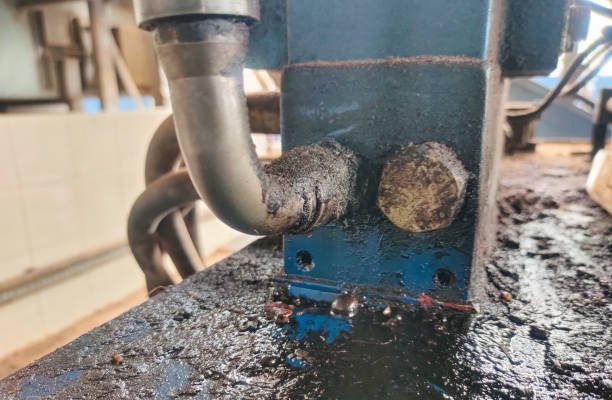
Hydraulic hoses can operate at pressures exceeding 5,000 psi. At this level, a pinhole leak can release fluid at the speed of a bullet. The result? Severe fluid injection injuries, where hydraulic oil penetrates skin and causes tissue damage that often requires surgery.
Other hazards include:
- Burst hoses due to overpressure or poor maintenance.
- Fires caused by high-pressure fluid spraying onto hot surfaces.
- Slip hazards from leaking oil.
- Environmental contamination from spills.
- Equipment downtime costing thousands in lost productivity.
Industry Standards and Safety Regulations
Several organizations provide strict guidelines for hose safety, including:
- OSHA (Occupational Safety and Health Administration): Establishes workplace safety requirements.
- ISO 17165-2: Provides recommendations for hydraulic hose assembly, installation, and maintenance.
- SAE (Society of Automotive Engineers): Defines hose construction and performance standards.
Following these guidelines ensures compliance, but more importantly, they help build a culture of safety in industries where hydraulic systems are essential.
How to Use Hydraulic Hoses Safely
Pre-Use Inspections and Safety Checks
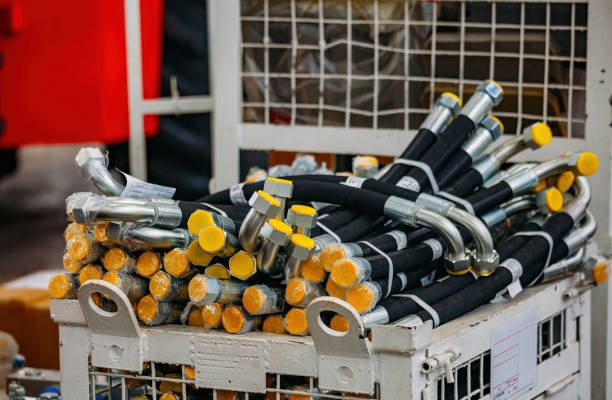
Before operating machinery, inspect hoses thoroughly:
- Look for cracks, bulges, or abrasions.
- Check fittings and couplings for corrosion or looseness.
- Ensure hoses are free of twists and kinks.
- Verify the working pressure rating matches the system requirements.
A pre-use inspection only takes a few minutes but can prevent accidents that cost lives and money.
Correct Installation Procedures
Improper installation is one of the main causes of premature hose failure. Follow these best practices:
- Maintain the correct bend radius—avoid sharp bends.
- Route hoses to minimize contact with moving or hot components.
- Use clamps and brackets to prevent chafing and vibration damage.
- Never stretch hoses beyond their recommended length.
Safe Operation Guidelines
When the system is running, operators should:
- Keep hands and body parts away from pressurized hoses.
- Avoid sudden pressure spikes by operating equipment smoothly.
- Shut down the system immediately if any leaks, whistling sounds, or unusual movements are noticed.
Warning Signs of Hose Failure
A failing hydraulic hose often gives early warnings, such as:
- Fluid seepage around fittings.
- Hose blistering or bubbling.
- Unusual noises (whistling or hissing).
- Loss of machine performance due to pressure drops.
Operators should treat these as red flags and stop using the equipment until the issue is resolved.
How to Transport Hydraulic Hoses Properly
Transporting hydraulic hoses might seem simple, but poor handling during transit can cause hidden damage that only shows up once the hose is under pressure. Proper transport ensures the hoses arrive at their destination free of cracks, contamination, or kinks.
Preparing Hoses for Transportation
Before moving hoses from one site to another:
- Drain all residual fluids to prevent leaks.
- Clean the outer surface of the hose to remove dust, oil, and grease.
- Cap both ends with protective plugs or covers to stop dirt and moisture from entering.
- Label hoses with identification tags if they’re part of an inventory system.
Best Practices for Packing and Securing Hoses
Hoses should never be thrown loosely into the back of a truck or piled up in ways that cause crushing or bending. Instead:
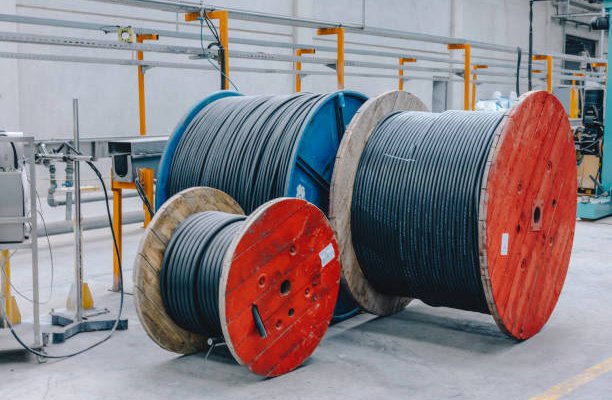
- Use hose reels or coils for longer hoses.
- Place hoses in padded or lined containers.
- Secure hoses with non-abrasive straps (never sharp-edged ties).
- Keep them separate from sharp tools, heavy equipment, or materials that may pierce or cut them.
Vehicle Requirements for Safe Transport
The transport vehicle should meet a few key requirements:
- Enclosed compartments or tarps to protect hoses from UV rays, rain, or dust.
- Flat, smooth surfaces to prevent abrasion.
- Proper tie-down points to secure hoses against shifting during transport.
Avoiding Contamination During Transport
Contamination is one of the biggest enemies of hydraulic systems. Even tiny particles can damage pumps and valves. To avoid this:
- Always use dust caps and plugs.
- Never transport hoses alongside chemicals, solvents, or corrosive materials.
- If hoses are transported with fluids, ensure they are sealed and upright to avoid leaks.
How to Store Hydraulic Hoses Safely
Storage is just as important as usage and transport. A hose that sits improperly in storage can lose flexibility, crack, or fail prematurely. Correct storage extends hose life and ensures reliability.
Recommended Storage Conditions (Temperature & Humidity)
Hydraulic hoses should be stored in climate-controlled environments:
- Temperature: Ideally between 50–70°F (10–21°C). Extreme heat accelerates rubber degradation, while freezing conditions make hoses brittle.
- Humidity: Keep below 75% to prevent mold, corrosion of fittings, and moisture absorption.
- Avoid areas with rapid temperature fluctuations, which can cause condensation and internal hose damage.
Proper Hose Positioning and Stacking
Improper stacking can lead to flat spots, bends, or kinks that ruin hoses. Best practices include:
- Storing hoses on hose racks or reels rather than on the floor.
- Avoiding vertical hanging, which places weight stress on one end.
- Keeping hoses loosely coiled with no tight bends.
Protecting Hoses from UV, Chemicals, and Damage
External factors can degrade hose material over time:
- Store hoses away from direct sunlight—UV exposure weakens rubber compounds.
- Keep them far from ozone-producing equipment (like motors or fluorescent lights).
- Avoid contact with chemicals, solvents, or petroleum products unless the hose is designed for it.
Long-Term Storage Maintenance Tips
If hoses will be stored for months or years:
- Rotate stock using the first in, first out (FIFO) method.
- Inspect hoses periodically for cracks or stiffness.
- Replace any protective caps that may have loosened.
- Document storage dates to track service life.
Tools and Equipment for Hydraulic Hose Safety
Having the right equipment makes a huge difference in extending hose life and keeping workers safe.
Hose Reels, Racks, and Storage Cabinets
- Reels: Allow hoses to be coiled neatly without kinks.
- Racks: Provide structured storage, keeping hoses organized by size and type.
- Cabinets: Offer enclosed protection against dust, chemicals, and sunlight.
Protective Caps and Covers
- End caps prevent contaminants from entering hoses.
- Spiral guards and sleeves protect against abrasion, cuts, and heat.
- Color-coded covers help with quick identification and proper routing.
Lifting and Handling Equipment
Hydraulic hoses can be bulky and heavy, especially industrial ones. To avoid worker injuries and hose damage:
- Use carts or hose carriers for transporting hoses on-site.
- Employ hoists or cranes when lifting extra-long or heavy hoses.
- Avoid dragging hoses across the ground, as it increases wear and contamination risk.
How to Transport Hydraulic Hoses Properly
Transporting hydraulic hoses might seem simple, but poor handling during transit can cause hidden damage that only shows up once the hose is under pressure. Proper transport ensures the hoses arrive at their destination free of cracks, contamination, or kinks.
Preparing Hoses for Transportation
Before moving hoses from one site to another:
- Drain all residual fluids to prevent leaks.
- Clean the outer surface of the hose to remove dust, oil, and grease.
- Cap both ends with protective plugs or covers to stop dirt and moisture from entering.
- Label hoses with identification tags if they’re part of an inventory system.
Best Practices for Packing and Securing Hoses
Hoses should never be thrown loosely into the back of a truck or piled up in ways that cause crushing or bending. Instead:
- Use hose reels or coils for longer hoses.
- Place hoses in padded or lined containers.
- Secure hoses with non-abrasive straps (never sharp-edged ties).
- Keep them separate from sharp tools, heavy equipment, or materials that may pierce or cut them.
Vehicle Requirements for Safe Transport
The transport vehicle should meet a few key requirements:
- Enclosed compartments or tarps to protect hoses from UV rays, rain, or dust.
- Flat, smooth surfaces to prevent abrasion.
- Proper tie-down points to secure hoses against shifting during transport.
Avoiding Contamination During Transport
Contamination is one of the biggest enemies of hydraulic systems. Even tiny particles can damage pumps and valves. To avoid this:
- Always use dust caps and plugs.
- Never transport hoses alongside chemicals, solvents, or corrosive materials.
- If hoses are transported with fluids, ensure they are sealed and upright to avoid leaks.
How to Store Hydraulic Hoses Safely
Storage is just as important as usage and transport. A hose that sits improperly in storage can lose flexibility, crack, or fail prematurely. Correct storage extends hose life and ensures reliability.
Recommended Storage Conditions (Temperature & Humidity)
Hydraulic hoses should be stored in climate-controlled environments:
- Temperature: Ideally between 50–70°F (10–21°C). Extreme heat accelerates rubber degradation, while freezing conditions make hoses brittle.
- Humidity: Keep below 75% to prevent mold, corrosion of fittings, and moisture absorption.
- Avoid areas with rapid temperature fluctuations, which can cause condensation and internal hose damage.
Proper Hose Positioning and Stacking
Improper stacking can lead to flat spots, bends, or kinks that ruin hoses. Best practices include:
- Storing hoses on hose racks or reels rather than on the floor.
- Avoiding vertical hanging, which places weight stress on one end.
- Keeping hoses loosely coiled with no tight bends.
Protecting Hoses from UV, Chemicals, and Damage
External factors can degrade hose material over time:
- Store hoses away from direct sunlight—UV exposure weakens rubber compounds.
- Keep them far from ozone-producing equipment (like motors or fluorescent lights).
- Avoid contact with chemicals, solvents, or petroleum products unless the hose is designed for it.
Long-Term Storage Maintenance Tips
If hoses will be stored for months or years:
- Rotate stock using the first in, first out (FIFO) method.
- Inspect hoses periodically for cracks or stiffness.
- Replace any protective caps that may have loosened.
- Document storage dates to track service life.
Tools and Equipment for Hydraulic Hose Safety
Having the right equipment makes a huge difference in extending hose life and keeping workers safe.
Hose Reels, Racks, and Storage Cabinets
- Reels: Allow hoses to be coiled neatly without kinks.
- Racks: Provide structured storage, keeping hoses organized by size and type.
- Cabinets: Offer enclosed protection against dust, chemicals, and sunlight.
Protective Caps and Covers
- End caps prevent contaminants from entering hoses.
- Spiral guards and sleeves protect against abrasion, cuts, and heat.
- Color-coded covers help with quick identification and proper routing.
Lifting and Handling Equipment
Hydraulic hoses can be bulky and heavy, especially industrial ones. To avoid worker injuries and hose damage:
- Use carts or hose carriers for transporting hoses on-site.
- Employ hoists or cranes when lifting extra-long or heavy hoses.
- Avoid dragging hoses across the ground, as it increases wear and contamination risk.
Training and Best Practices for Workers
Even the best hydraulic hoses and safety equipment are useless without proper training. Human error is one of the leading causes of hydraulic accidents. Investing in training ensures workers not only know what to do but also why it matters.
Safety Training Programs for Hydraulic Hose Handling
Employers should implement structured training programs that include:
- Hands-on demonstrations of safe hose installation, removal, and inspection.
- Classroom-style education covering pressure ratings, material compatibility, and hose lifespan.
- Emergency procedures, such as how to respond to a burst hose or hydraulic fluid injection injury.
- Regulatory compliance training to ensure alignment with OSHA, ISO, and SAE standards.
Training should be ongoing, not a one-time event. Refresher courses every 6–12 months help reinforce safe practices.
Importance of Personal Protective Equipment (PPE)
Hydraulic systems are powerful, and the risk of injury is real. Workers should always wear:
- Safety goggles or face shields to protect against fluid sprays.
- Cut-resistant gloves to reduce risk when handling heavy or sharp-edged hoses.
- Protective clothing such as long sleeves and steel-toed boots.
- Hearing protection in high-noise environments where pressure releases are common.
PPE acts as the last line of defense when all other safety measures fail.
Creating a Workplace Safety Culture
A strong safety culture goes beyond training and PPE. It requires buy-in from every level of the organization:
- Encourage workers to report damaged hoses immediately.
- Implement a checklist system for hose inspections and maintenance.
- Reward teams for accident-free work periods.
- Make supervisors accountable for monitoring hose handling practices.
When safety is woven into daily routines, accidents become less likely, and productivity improves.
Conclusion
Hydraulic hoses are powerful tools, but they can be dangerous if not handled the right way. By following a few simple steps—check hoses before use, transport them carefully, store them in the right conditions, and train workers regularly—you can keep both people and machines safe.
Safe hose practices don’t just prevent accidents—they also save money by reducing downtime and extending the life of your equipment.
In short:
- Inspect often
- Handle with care
- Store correctly
- Train everyone
Do these four things, and you’ll have a much safer and more reliable workplace.
FAQs
Q1: How often should hydraulic hoses be inspected?
At a minimum, hoses should be inspected before each use. A thorough inspection should be conducted every 3 months for active hoses, and stored hoses should be checked at least once per year.
Q2: Can hydraulic hoses be stored outdoors?
No. Outdoor storage exposes hoses to UV rays, rain, temperature swings, and contamination—all of which drastically shorten hose life. Always store them indoors under controlled conditions.
Q3: What’s the best way to transport multiple hoses at once?
The safest method is to use hose reels, racks, or padded containers. This prevents tangling, bending, and impact damage.
Q4: How do I know when to replace a hydraulic hose?
Replace hoses at the first sign of:
- Leaks or seepage
- Bulges or blistering
- Exposed reinforcement wires
- Stiffness, cracks, or unusual noises
Never wait for complete failure before replacing a hose.
Q5: What temperature range is ideal for storing hydraulic hoses?
Between 50–70°F (10–21°C) with moderate humidity. Avoid extremes that can harden, crack, or soften the rubber.
Q6: Do I need special training to handle hydraulic hoses?
Yes. Workers should undergo certified training that covers installation, maintenance, and emergency procedures. Hydraulic hoses are not “just rubber tubes”—they are high-pressure safety risks that require expertise.